MD Dermatology
Develop advanced expertise in the diagnosis, treatment and management of skin, hair, nail and related disorders through postgraduate training in Dermatology.
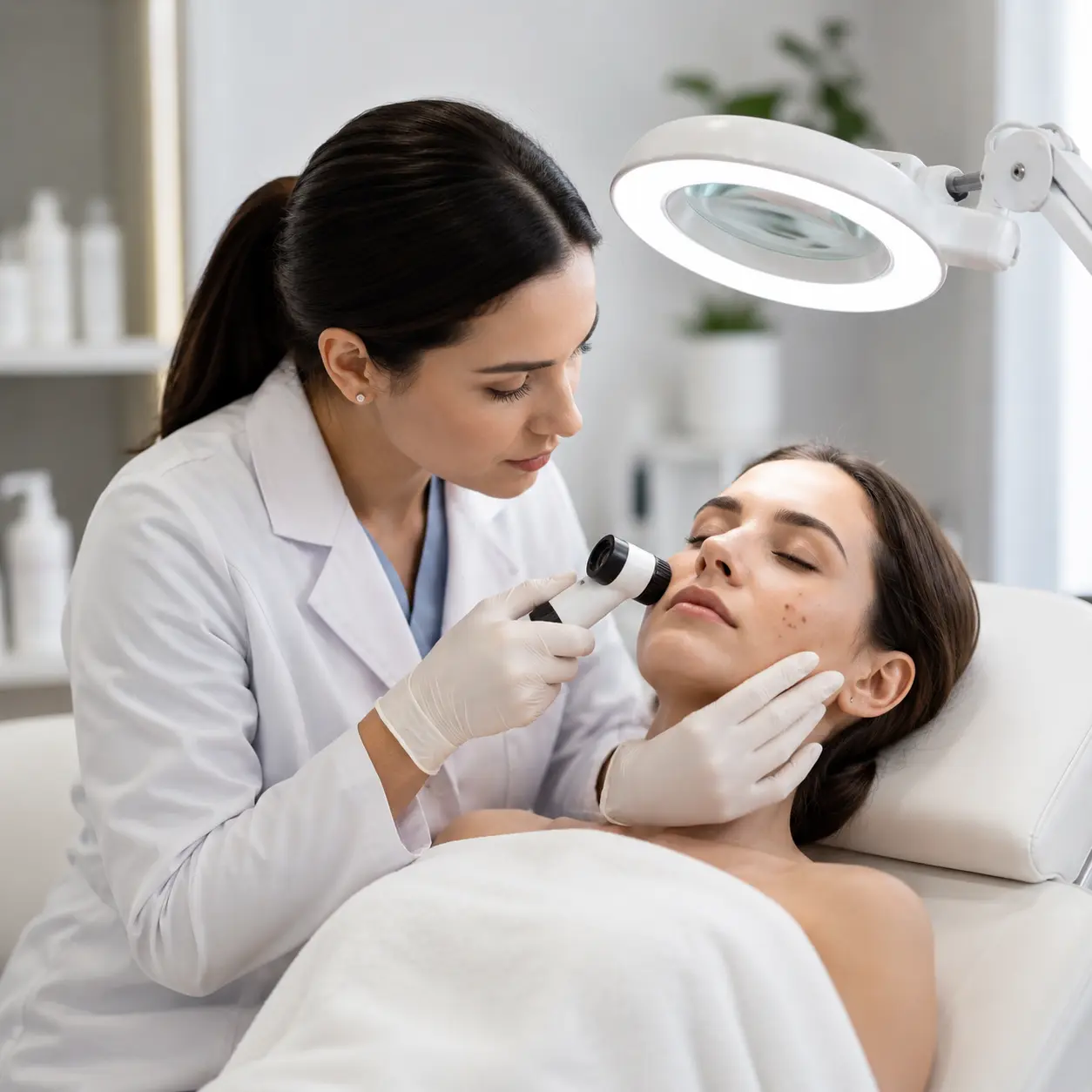
MD Dermatology is a postgraduate medical programme focused on the diagnosis and management of diseases affecting the skin, hair, nails and mucous membranes.
The programme provides advanced theoretical knowledge and clinical training in dermatological conditions, helping postgraduate students develop strong diagnostic skills and effective treatment approaches. Clinical exposure enables students to evaluate a wide range of dermatological conditions and understand appropriate patient management.
Clinical and Procedural Training
Gain supervised experience in dermatological examination and relevant procedures.
Academic Activities
Participate in seminars, case presentations, journal discussions and clinical learning sessions.
Advanced Dermatology Learning
Develop in-depth knowledge of common and complex skin, hair and nail disorders.
Clinical Case Discussions
Evaluate dermatological cases and develop accurate diagnostic approaches.
Patient-based learning
Develop skills in clinical assessment, diagnosis and treatment planning.
Eligibility & Admission
Admission to the MD Dermatology programme is subject to the eligibility criteria and regulations prescribed by the National Medical Commission and relevant admission authorities.
Candidates must possess a recognised MBBS degree and fulfil the applicable postgraduate admission requirements, including qualification in NEET-PG as applicable.
Admission Process
- Meet the prescribed eligibility requirements.
- Qualify NEET-PG.
- Participate in the applicable postgraduate counselling process.
- Complete document verification and admission formalities.
Who is eligible for MD Dermatology?
Candidates with a recognised MBBS degree who fulfil the applicable postgraduate admission requirements and qualify NEET-PG can apply.
Does the programme include clinical training?
Yes. Students receive supervised clinical exposure to a wide range of dermatological conditions and develop practical skills in patient assessment and management.
What conditions are covered in Dermatology?
Training includes the evaluation and management of various skin, hair and nail disorders, along with infectious, inflammatory, allergic and other dermatological conditions.
What can I pursue after MD Dermatology?
Graduates can work as dermatologists in hospitals and healthcare institutions, pursue clinical practice or undertake further specialised training in relevant areas.
Advance Your Career in Dermatology
Gain advanced clinical knowledge and practical experience to provide comprehensive care for a wide range of dermatological conditions.