MS Orthopaedics
Develop advanced knowledge and clinical skills in the diagnosis, treatment and management of musculoskeletal conditions through postgraduate training in Orthopaedics.
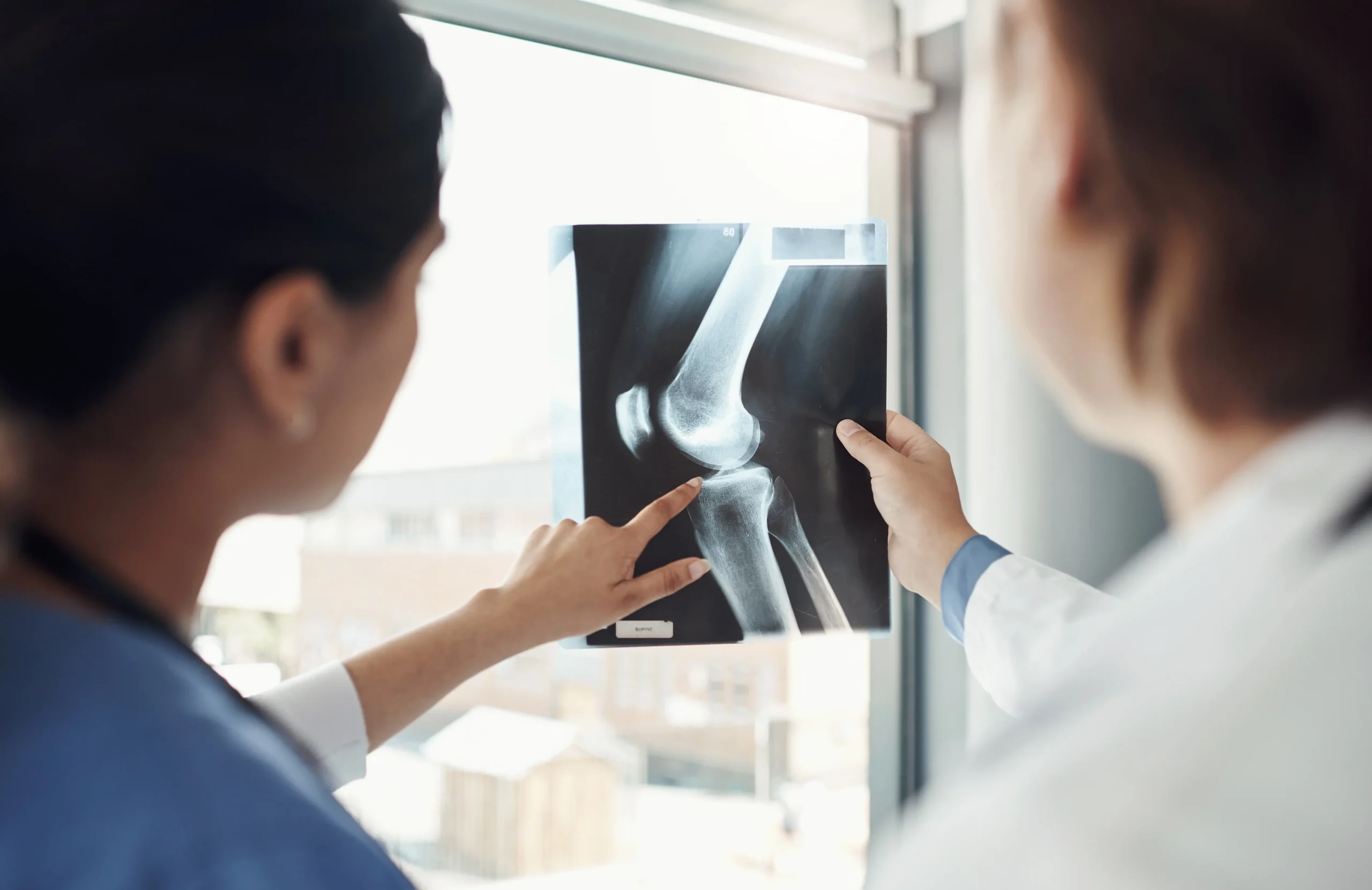
MS Orthopaedics is a postgraduate medical programme focused on the prevention, diagnosis and treatment of disorders and injuries affecting the bones, joints, muscles and supporting structures of the body.
The programme combines advanced academic learning with clinical and surgical training, helping postgraduate students develop expertise in patient assessment, treatment planning, trauma care and orthopaedic procedures.
Trauma & Emergency Care
Develop skills in managing fractures, injuries and orthopaedic emergencies.
Academic Activities
Participate in seminars, case presentations, journal discussions and clinical learning sessions.
Advanced Orthopaedic Learning
Develop in-depth knowledge of musculoskeletal disorders, injuries and treatment methods.
Clinical Case Discussions
Evaluate orthopaedic cases and strengthen diagnostic and treatment planning skills.
Surgical Training
Gain supervised exposure to orthopaedic procedures and operating-room practices.
Eligibility & Admission
Admission to the MS Orthopaedics programme is subject to the eligibility criteria and regulations prescribed by the National Medical Commission and relevant admission authorities.
Candidates must possess a recognised MBBS degree and fulfil the applicable postgraduate admission requirements, including qualification in NEET-PG as applicable.
Admission Process
- Meet the prescribed eligibility requirements.
- Qualify NEET-PG.
- Participate in the applicable postgraduate counselling process.
- Complete document verification and admission formalities.
What is MS Orthopaedics?
MS Orthopaedics is a postgraduate medical programme focused on the diagnosis, treatment and management of conditions affecting the musculoskeletal system.
Does the programme include surgical training?
Yes. The programme includes supervised clinical and surgical exposure to help postgraduate students develop essential orthopaedic skills.
What conditions are covered in Orthopaedics?
Training covers conditions and injuries involving bones, joints, muscles and related structures, including fractures, trauma and other musculoskeletal disorders.
What can I pursue after MD Dermatology?
Graduates can work as orthopaedic surgeons in hospitals and healthcare institutions or pursue further specialised training in relevant orthopaedic fields.
Build Your Career in Orthopaedic Care
Develop advanced clinical and surgical expertise to diagnose and manage musculoskeletal conditions and help patients regain mobility and quality of life.